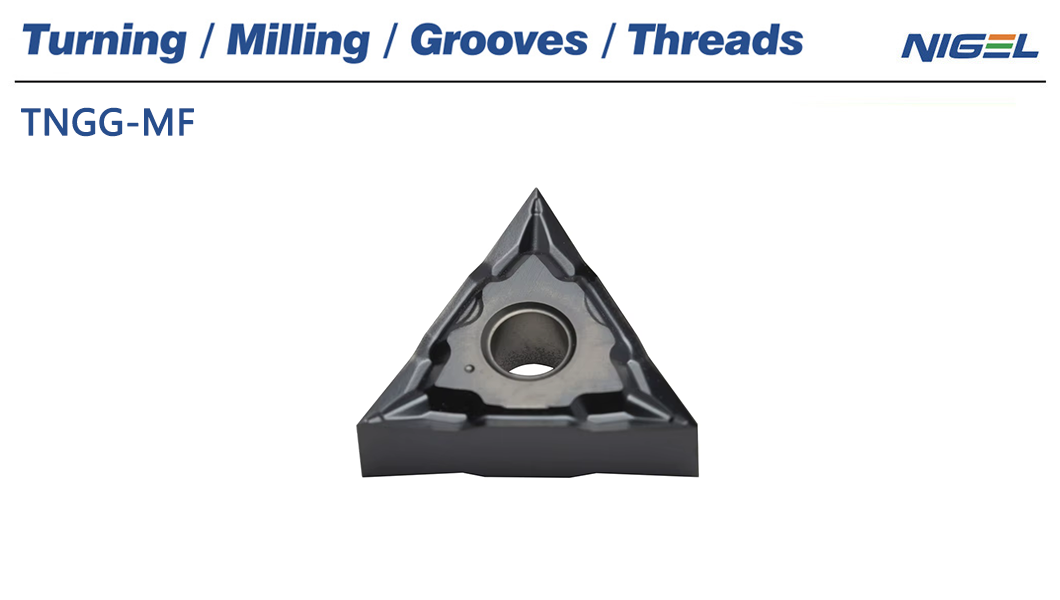
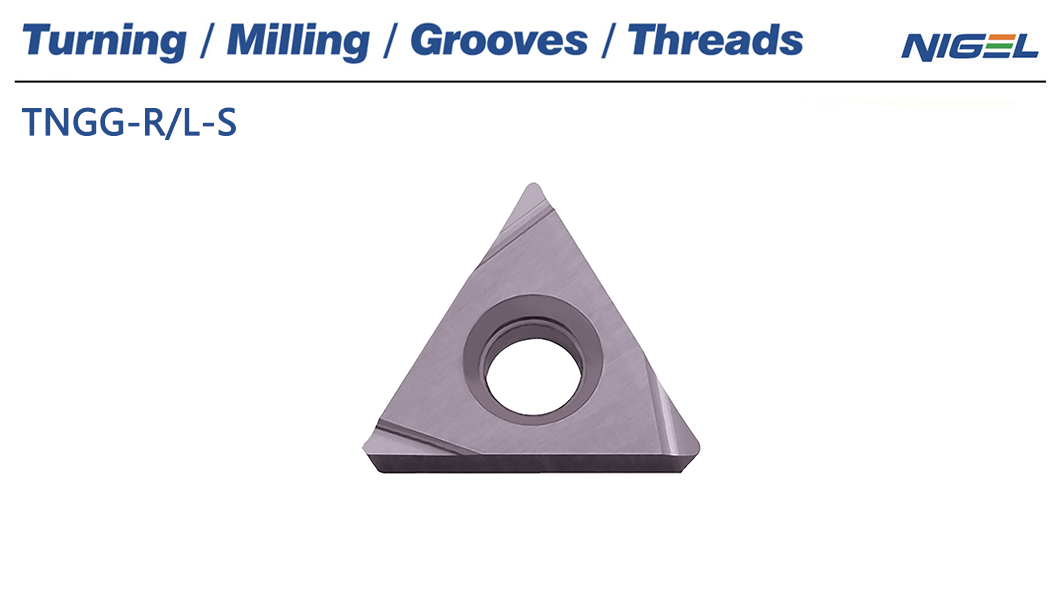
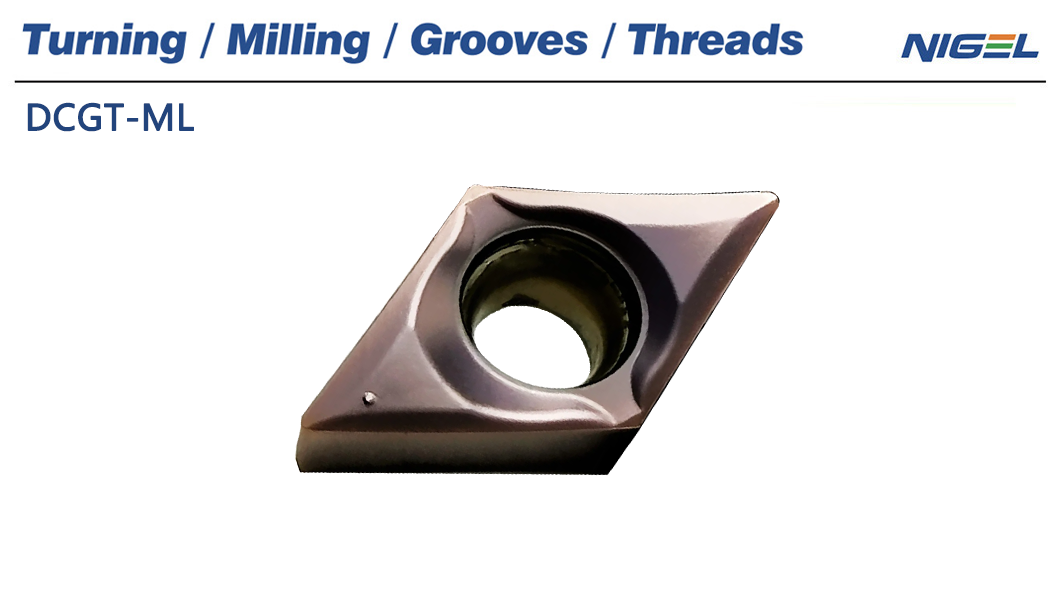
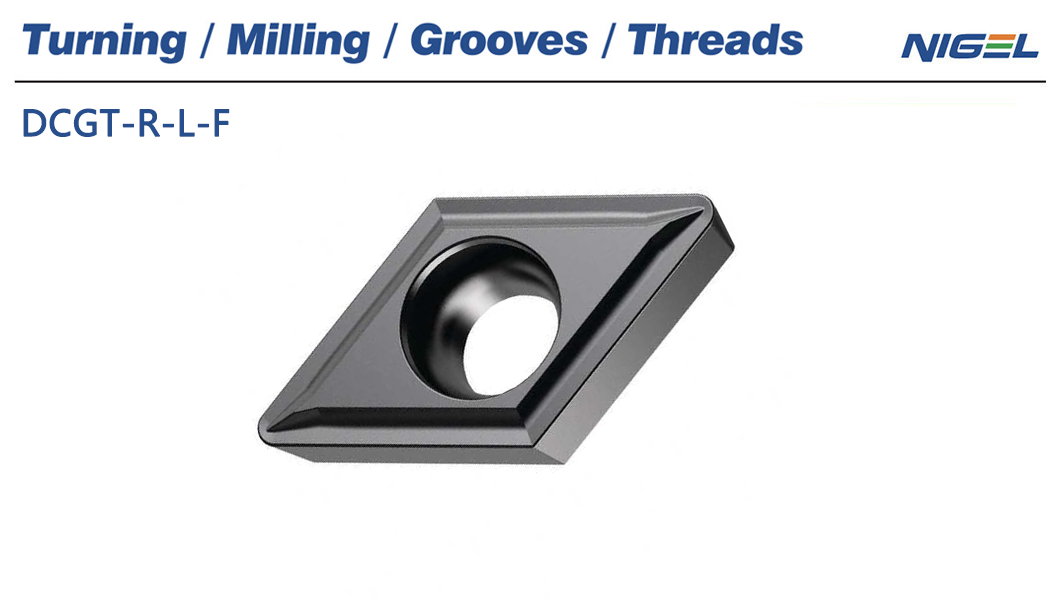
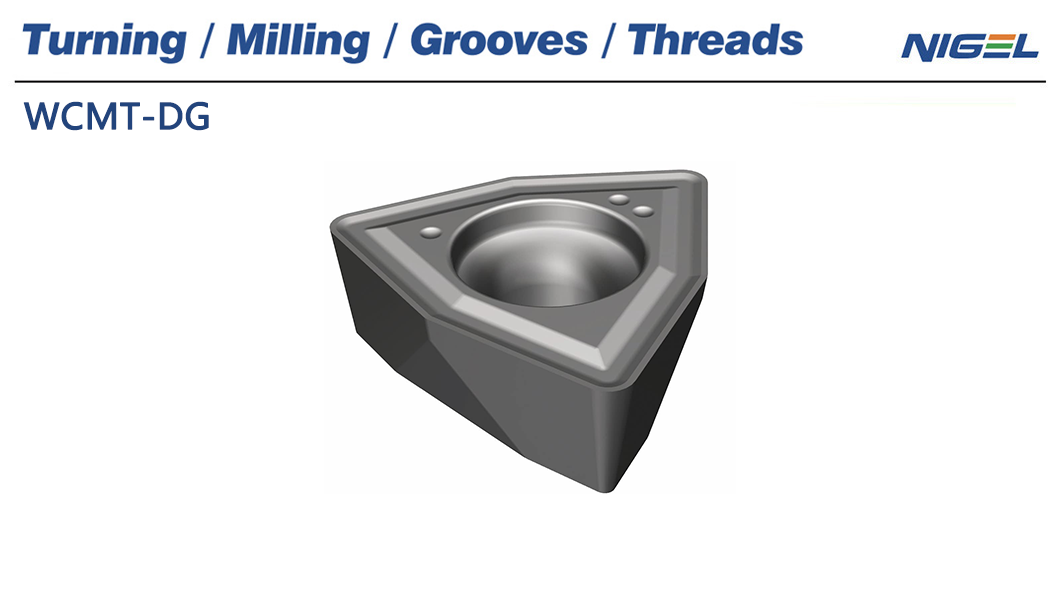
Brazing of carbide inserts can be an effective process of producing a strong joint suitable for high temperature and pressure applications. Nice, but not absolutely necessary: durable and dependable according to precision machining. This is when you would want to do some brazing carbide inserts.
Precision machining relies on tools that cut hard materials effortlessly. Carbide inserts are small, but they improve the performance of cutting tools. Brazing is an operation in which a metal alloy is melted and joined to another material, typically carbide inserts, using heat.
Brazing carbide inserts on cutting tools can significantly improve their tooling life and performance. Strong brazing connection that holds the inserts, even under heavy use. Less down-time for tool maintenance and more effective machining resulting.
Wipe down the metal surface where the carbide insert will be applied to ensure any dirt and debris is removed that could affect the bond.
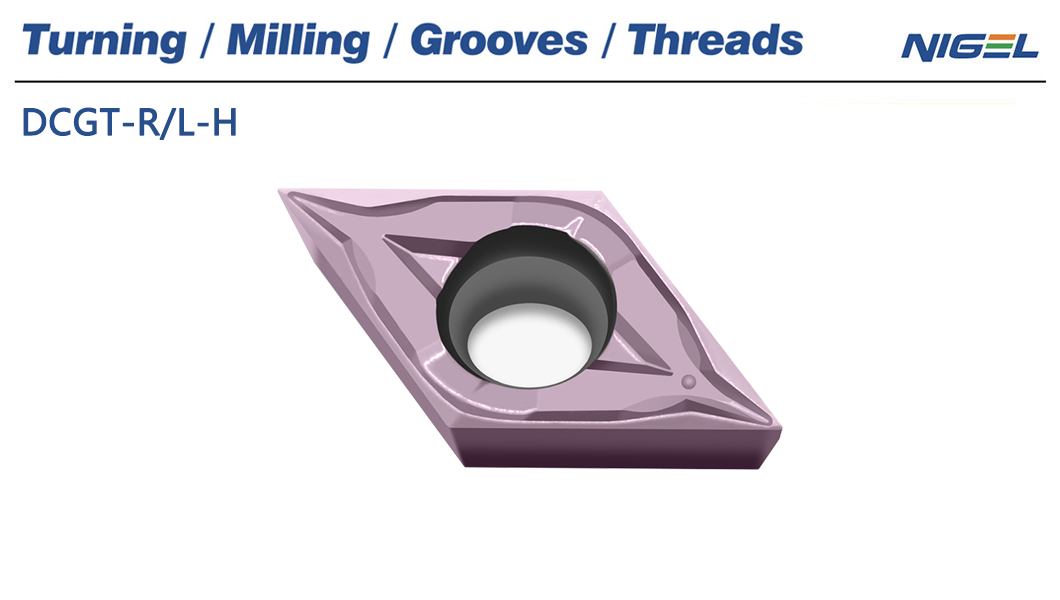
A common error made during the brazing process of carbide inserts is the failure to clean the metal substrate or base material before bonding. Any soil or grease from the surface can keep the brazing material from sticking, and the joint will be weak. Another error is overheating of the brazing material, which will make it brittle and able to break easily.
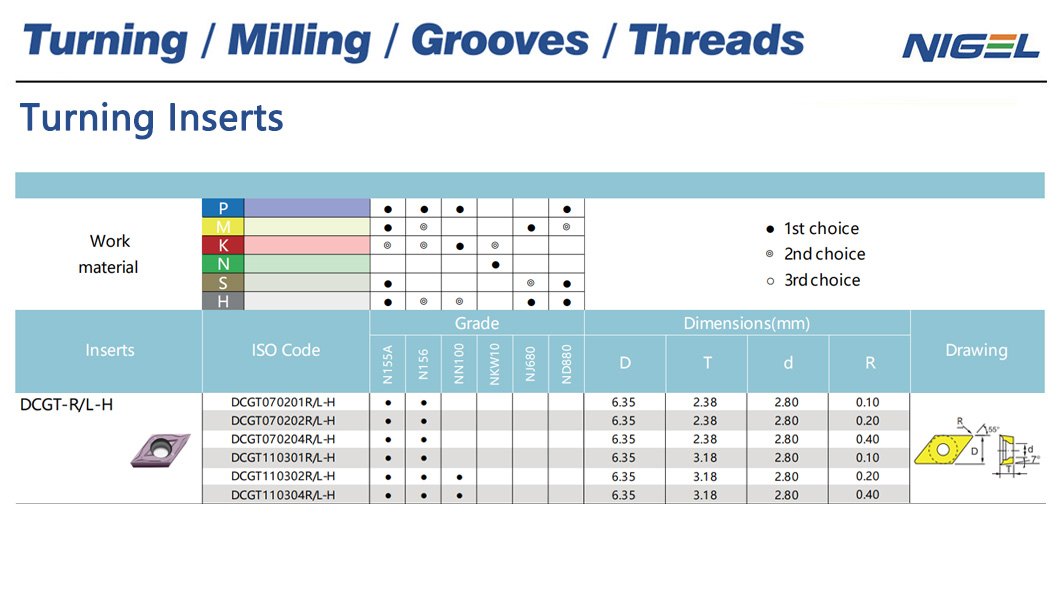
While you are going to heat brazing material, watch the temperature. Overheating can cause a brittle bond; underheating may not establish a strong enough connection.
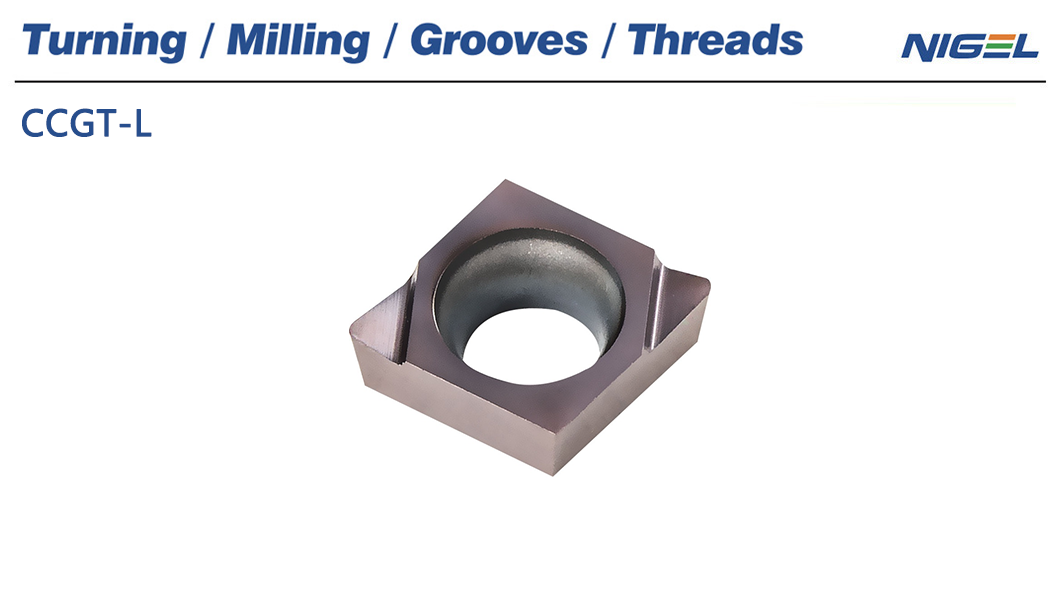
High temperature and hot work situations needs to be handled with care - do not let these work items to be handled by unnecessary things.

 EN
EN
 AR
AR
 BG
BG
 HR
HR
 CS
CS
 DA
DA
 NL
NL
 FI
FI
 FR
FR
 DE
DE
 EL
EL
 HI
HI
 IT
IT
 JA
JA
 KO
KO
 NO
NO
 PL
PL
 PT
PT
 RO
RO
 RU
RU
 ES
ES
 SV
SV
 TL
TL
 IW
IW
 ID
ID
 LT
LT
 SR
SR
 SK
SK
 UK
UK
 VI
VI
 HU
HU
 TH
TH
 TR
TR
 FA
FA
 MS
MS
 GA
GA
 AZ
AZ
 BN
BN