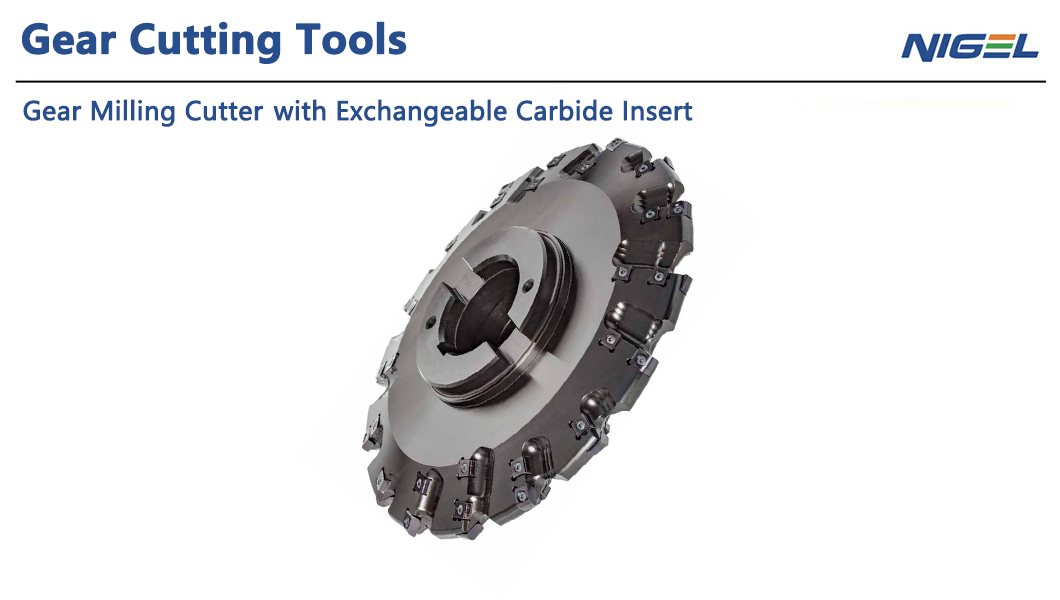
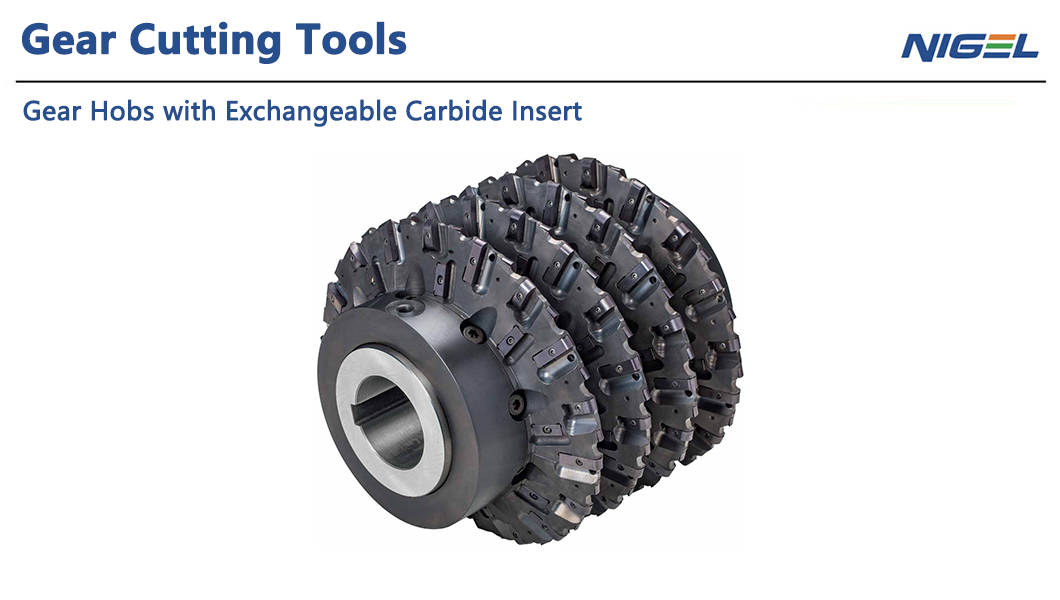
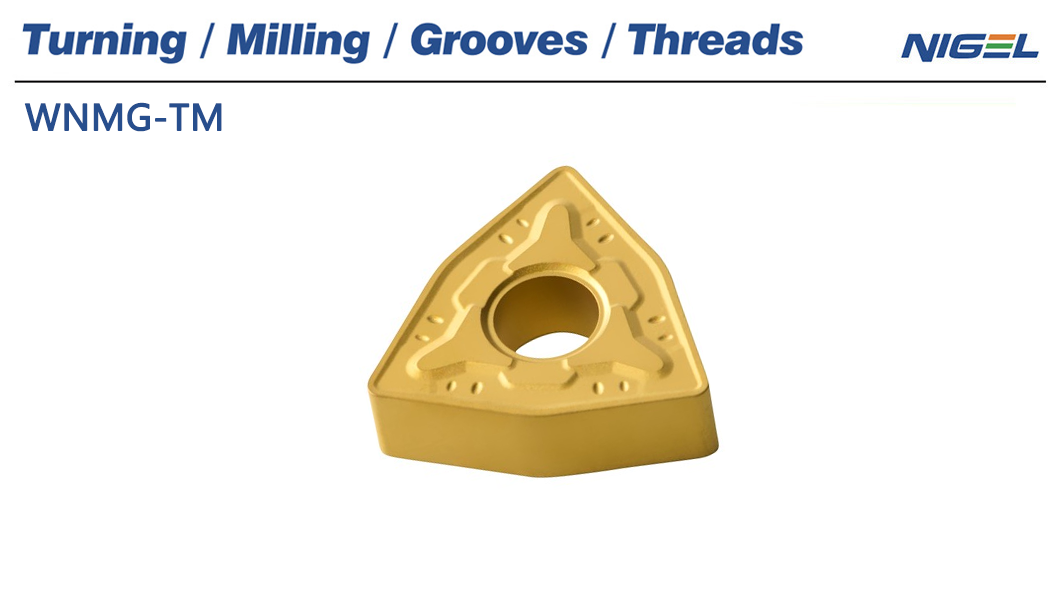
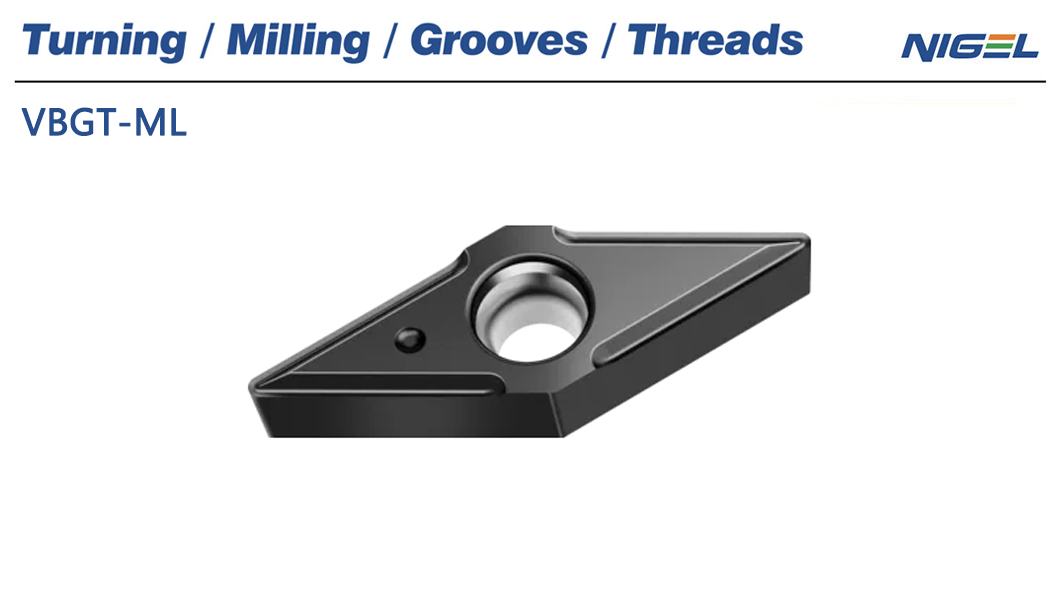
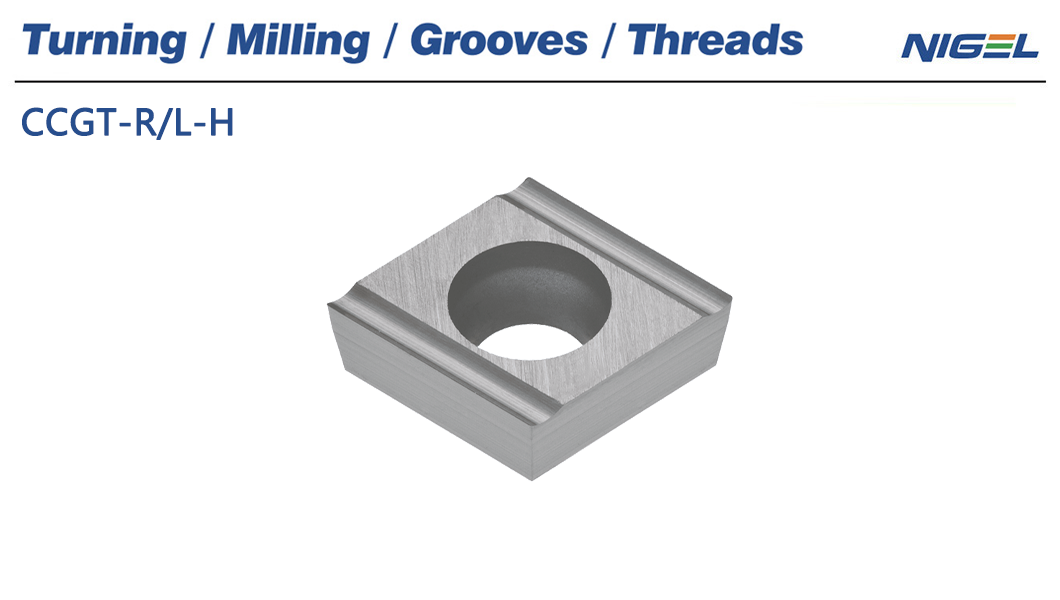
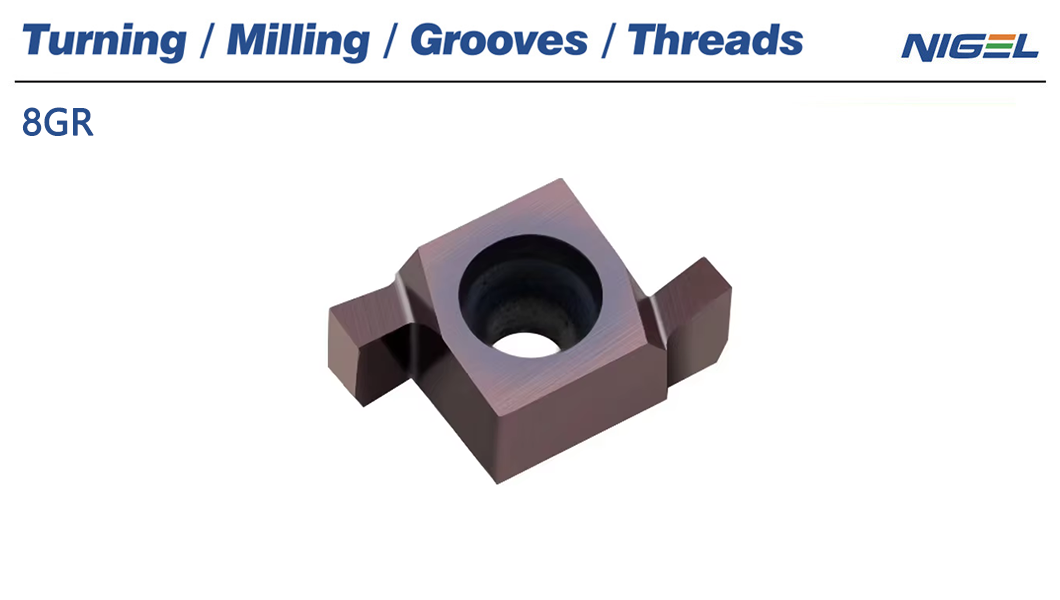
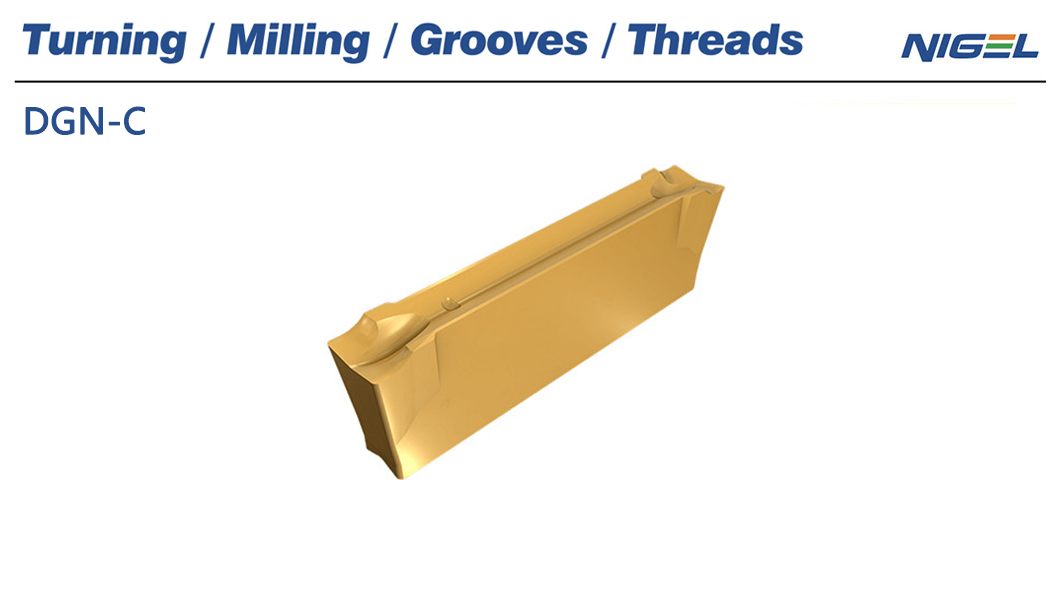
Carbide inserts are used in various machining operations. They are devices employed in cutting tools for precision shaping and forming of materials. But the cutting edge of carbide inserts can get dull and lose its edge over time. This is where the concept of sharpening enters the picture.
It’s important to keep your carbide inserts sharp to keep performance and lifespan. By keeping them sharp you get a nice clean cut and your tools should work as good the first day you got them. Correct sharpening is also critical to help eliminate damage to the workpiece and to carry out efficient production.
How to Sharpen Carbide Inserts Although carbide inserts can take many times more heat it is not the best decision to provide too much heat for the insert to withstand when sharpening, it is better to be cautious and take time without damaging the carbide. Follow these simple steps to sharpen your carbide inserts so you can get the most cutting power:
If you want to make the life of the carbide inserts longer due to sharpening, you should remember some expert tips. Firstly, keep the inserts sharp – don’t wait until they are totally blunt. This is to extend their cutting power and provide the same smooth and reliable way while re-using them.
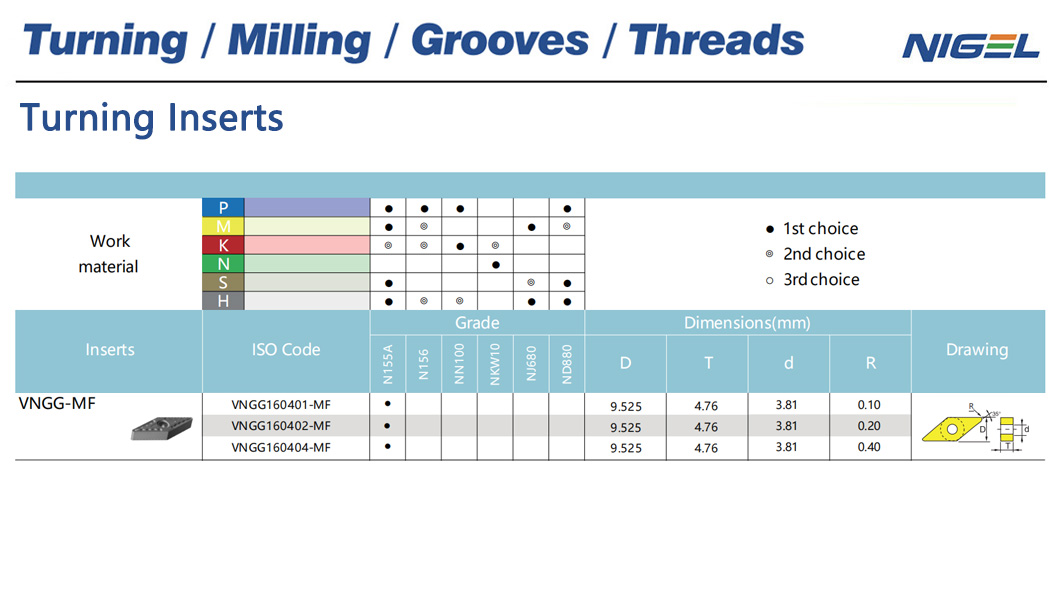
You should also have the right sharpening equipment when it comes to carbide inserts. Sharpen carbide with a diamond grinding wheel or sharpening stone for a smooth, precision edge. The manufacturer´s recommendations for regrinding inserts must be noted to avoid damaging the inserts!
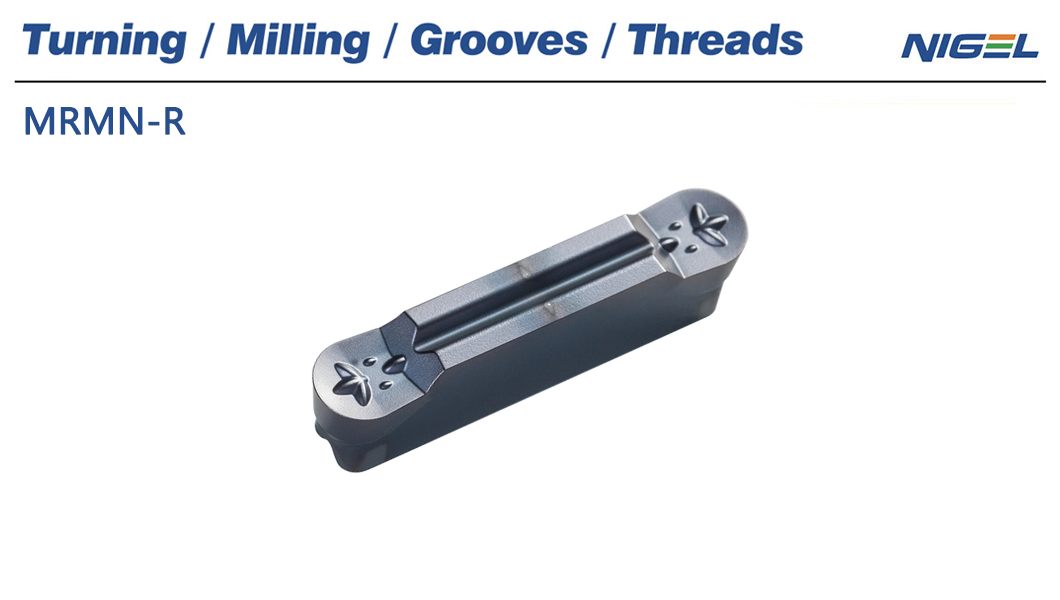
Keeping the carbide inserts for machining precision and sharp is an important aspect for better performance. To accomplish this, it’s imperative to keep the inserts free of debris, which will otherwise blunt the edges. Frequent tapping and occasional sharpening are also necessary to keep the inserts sharp and precise.
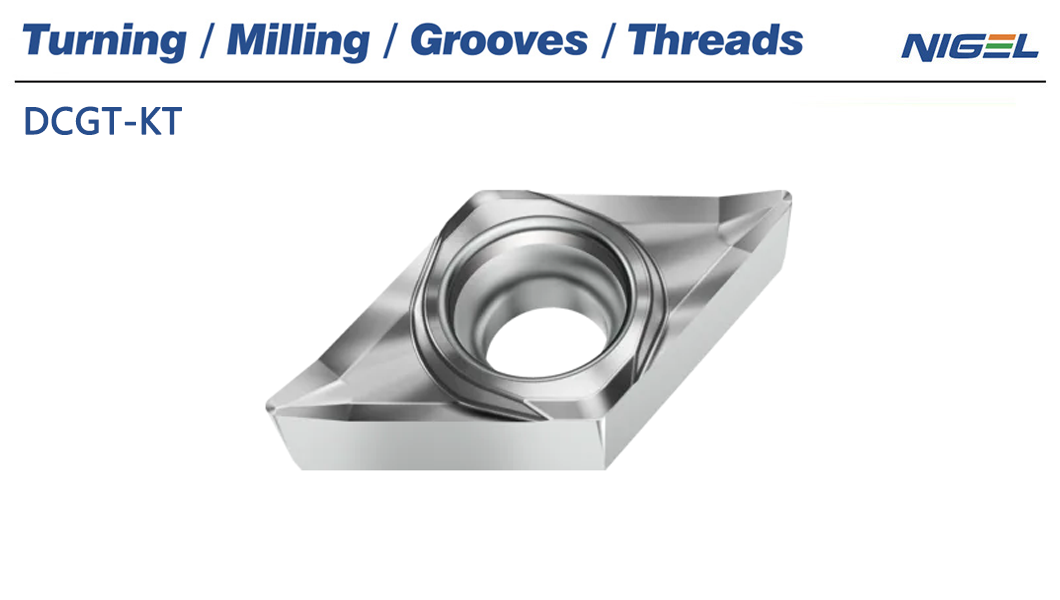
You should also store carbide inserts the right way in case they are not being used. Store in a cool dry place to protect them and preserve their edges. By adhering to these recommendations and guidelines, it will be possible to attain substantially improved performance, and you will see a minimization of costs and an increase in productivity when cutting precision components.

 EN
EN
 AR
AR
 BG
BG
 HR
HR
 CS
CS
 DA
DA
 NL
NL
 FI
FI
 FR
FR
 DE
DE
 EL
EL
 HI
HI
 IT
IT
 JA
JA
 KO
KO
 NO
NO
 PL
PL
 PT
PT
 RO
RO
 RU
RU
 ES
ES
 SV
SV
 TL
TL
 IW
IW
 ID
ID
 LT
LT
 SR
SR
 SK
SK
 UK
UK
 VI
VI
 HU
HU
 TH
TH
 TR
TR
 FA
FA
 MS
MS
 GA
GA
 AZ
AZ
 BN
BN