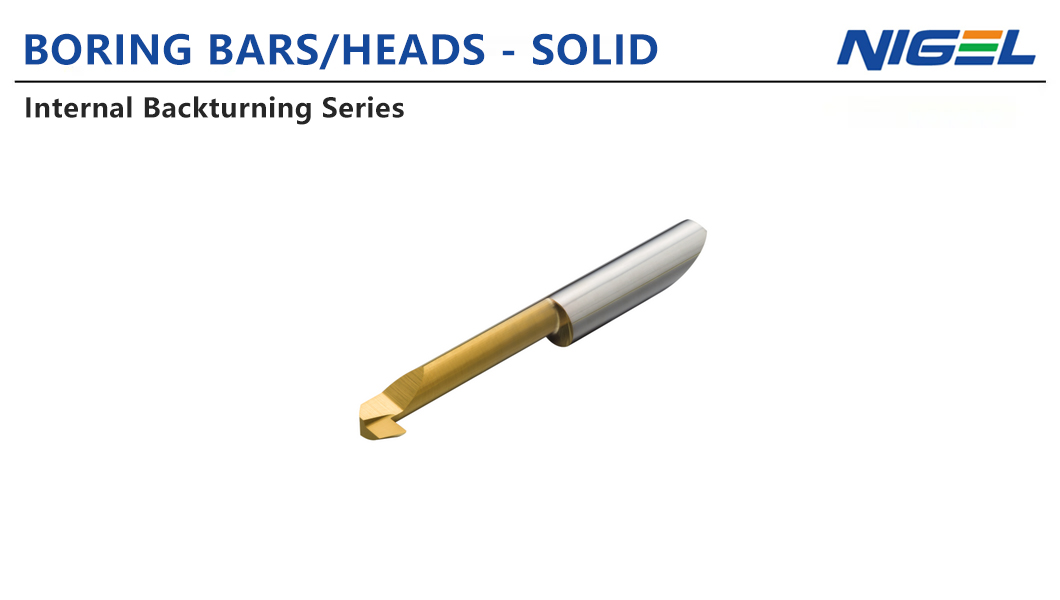
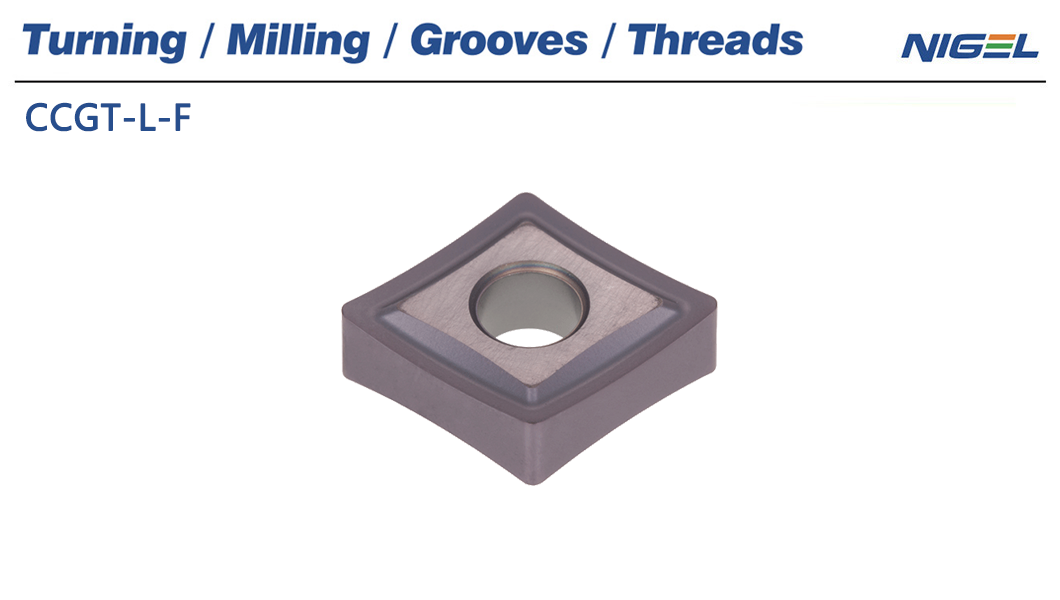
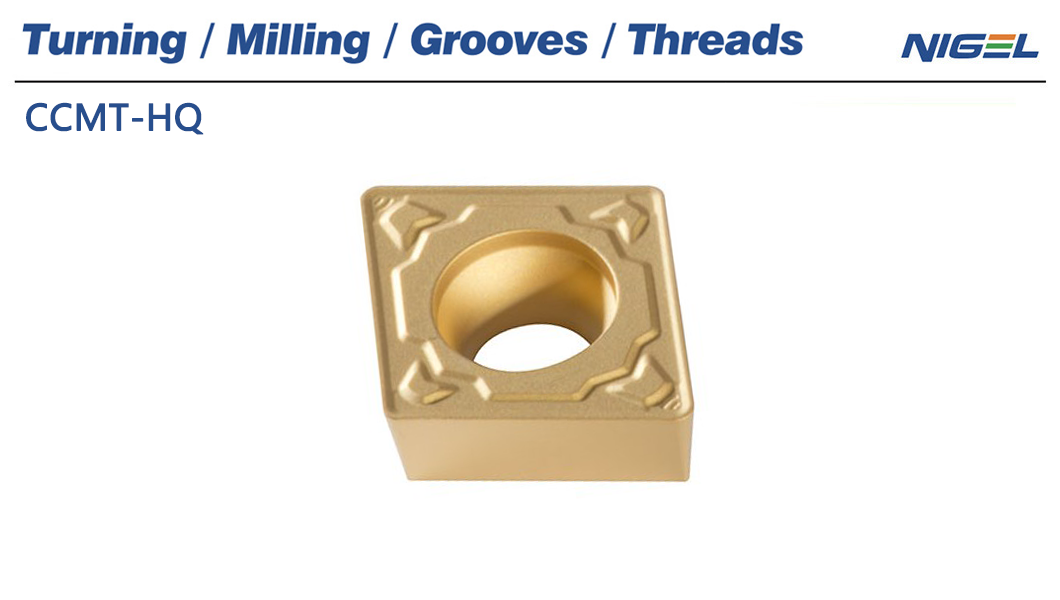
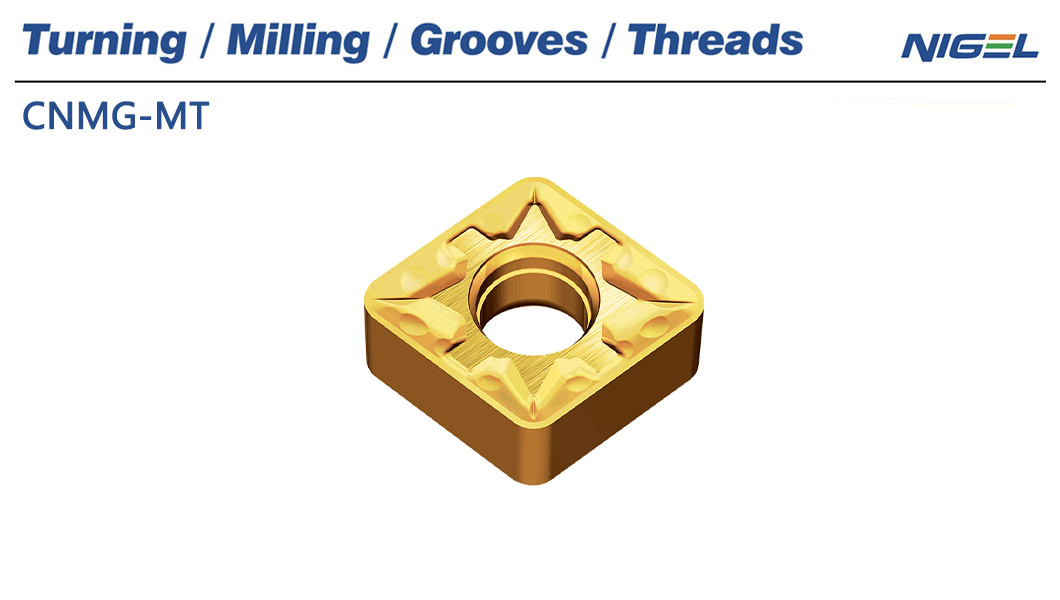
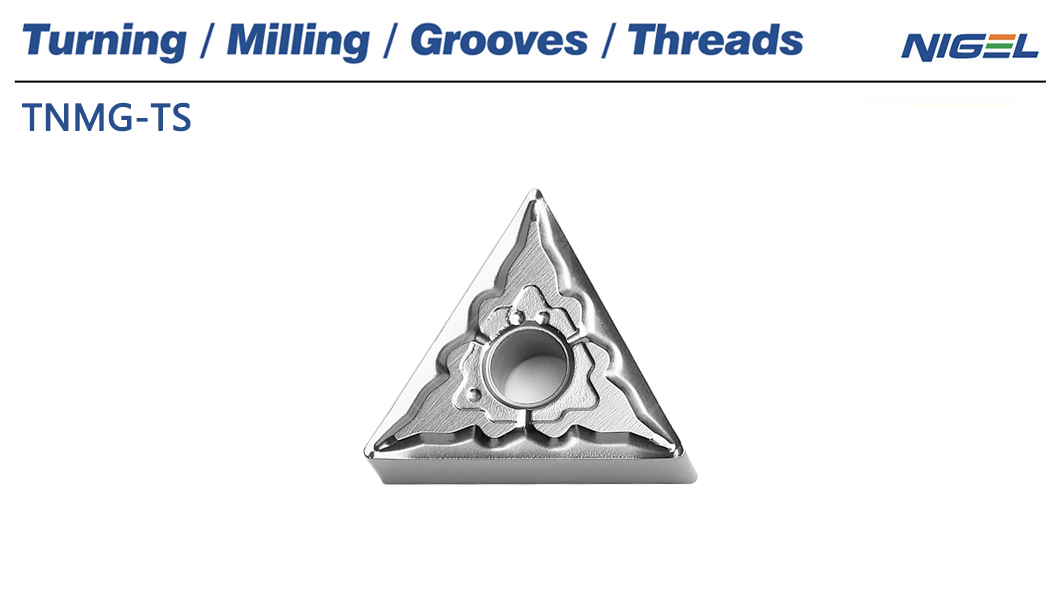
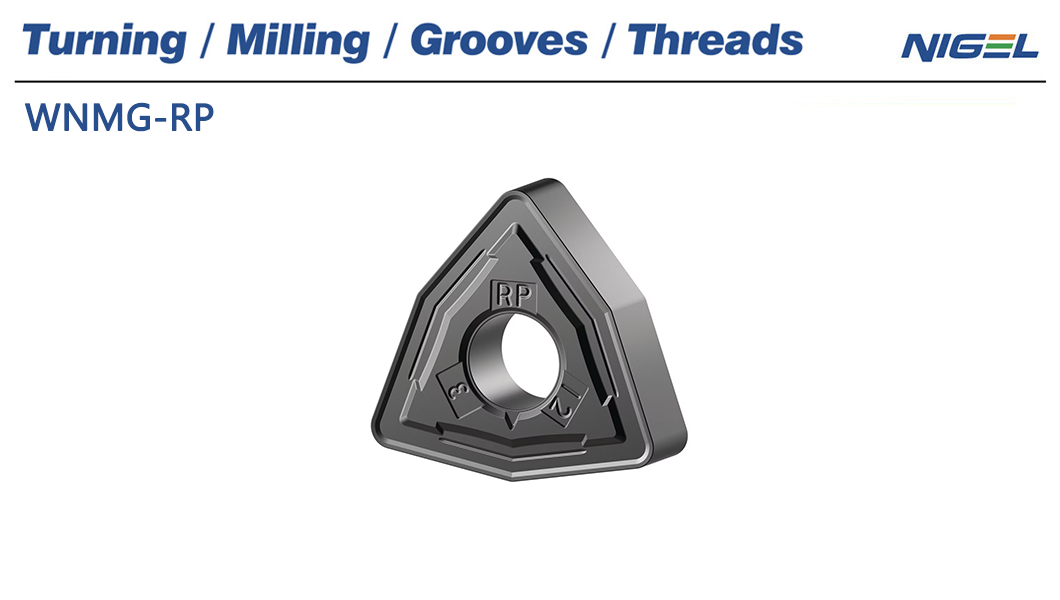
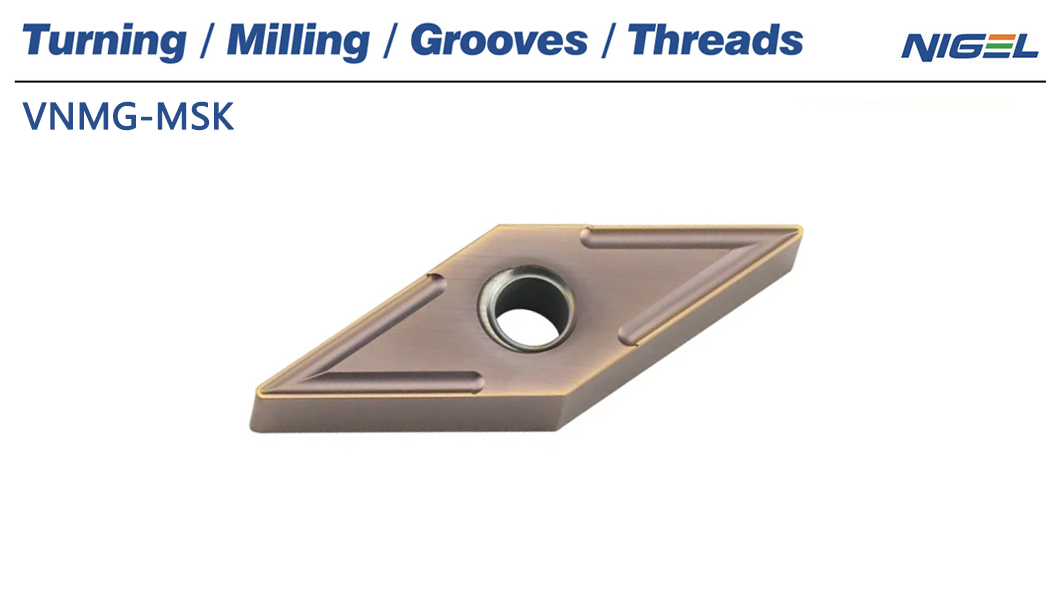
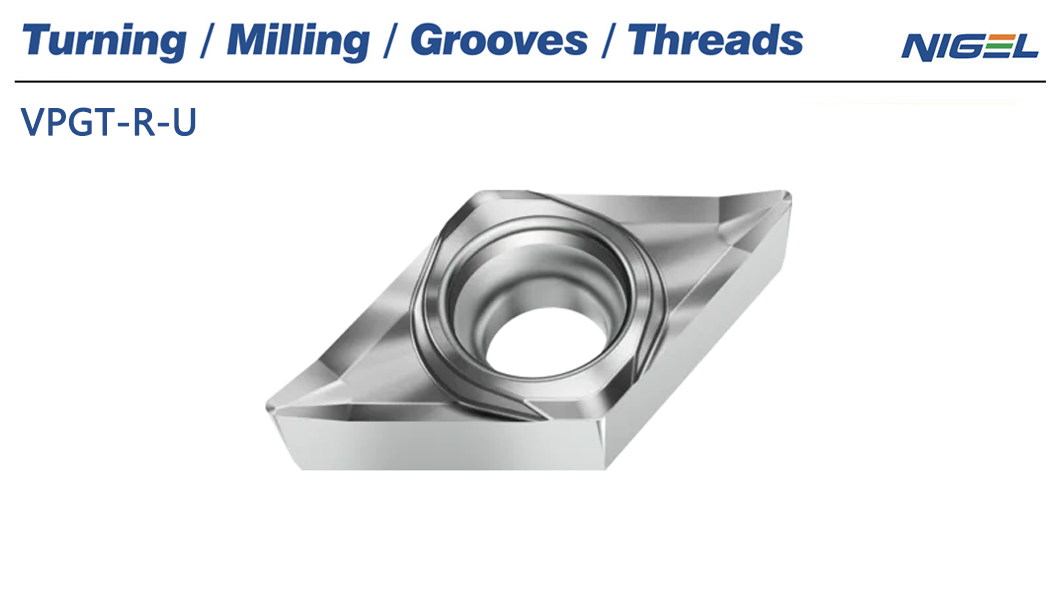
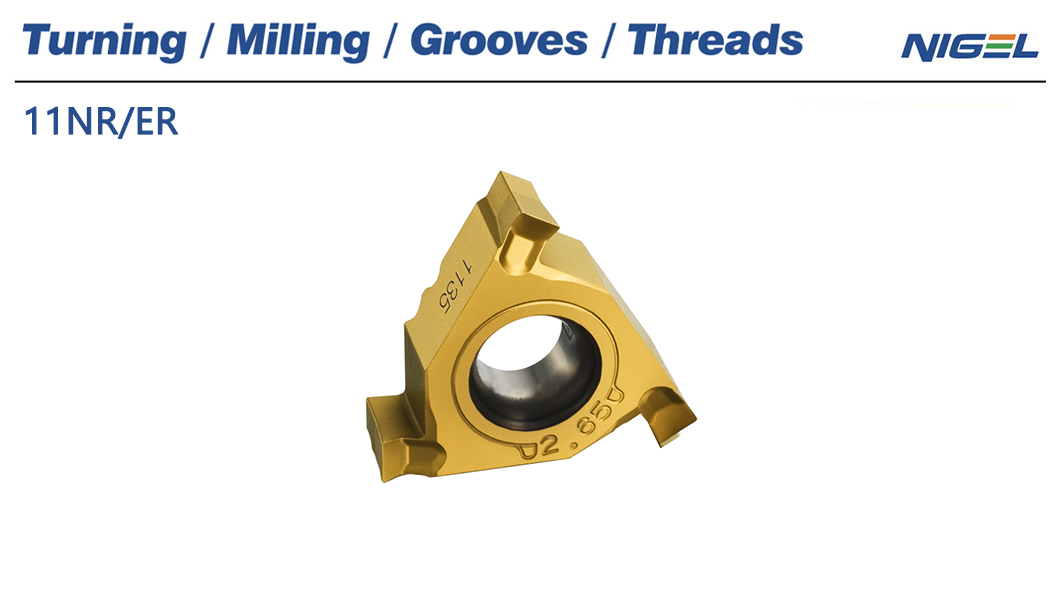
Small, yet powerful TNMG 160408 inserts fit into cutting tools mounted on metalworking machines. The letters and numbers characterize their size, shape and type. For instance, “TNMG” reveals the shape and type of cutting edge. Specifically, the numbers “160408” provide information on dimensions, such as thickness and corner radius. This precise configuration allows the insert to cut through metal with extreme accuracy. In machines that form parts for automobiles, aircraft or tools, TNMG 160408 inserts ensure every cut is smooth and precise. If the cut is jagged or doesn’t line up right, pieces won’t fit accurately and could break. Which is why these are a must-have insertion. They can work through durable metals like steel or cast iron without quickly wearing themselves down.
NIGEL’s TNMG 160408 inserts are constructed from durable materials that won’t easily break or damage due to excess heat. When metal is cut, for example, it produces friction and heat that can be harmful to tools. But these inserts remain sharp and are still tough even after many hours of use. For this reason, machinists rely on them for work that requires extremely tight shapes and measurements. Plus, their design allows them to make the metal chips as small and easy-to-remove as possible. Which is to say there’s less risk of you clogging or breaking the machine. When it comes to precision machining, you need tools that deliver the cutting edge every time: TNMG 160408 inserts do exactly that. They enhance the quality of parts and reduce errors, a recipe for saving money and time for manufacturers.
The chip breaker on the TNMG 160408 is one of the notable features. As metal is cut it breaks off not in big chunks, but in small ones called chips. Memorable anectode: I brought a basket of chips so what made the anaesthetist (or whoever was sticking the drippy thing into my hand) stab me twice, instead of just taking the short road and not stick anything sharp into me? If these were big or sharp, they can harm your machine or slow down the work. These inserts make the chips twist and turn until they snap into smaller pieces that fall away without resistance. That helps keep the cutting area clean and allows the machine to run better. This is particularly important for a heavy-duty task, as issues with chip removal can slow you down or damage your tool.
The TNMG 160408 insert is a well-known cutting tool that is widely employed in the workshop and factory for shaping metals among other hard materials. Strong as it may be though, there are some common issues people find when they start to use it. There is one major problem: tool wear, so the cutting edge becomes dull or damaged over time. This can lead to decreased tool performance and low-quality finished work. One source of such wear is improper cutting speed. Get too much time speed on the TNMG 160408, heats up and wear out the edge too fast to use. If the speed is too low, on the other hand, it makes the tool rub rather than cutting and crushes. “Another common mistake is pressing too hard when slicing. This places the insert under a great deal of stress and it may chip or snap. Besides, a fast wearing out of tools can be caused by not adjusting settings to the materials on which you are using the tool. For instance, cutting very hard metals at the wrong speed and without coolant can quickly wear a tool out.
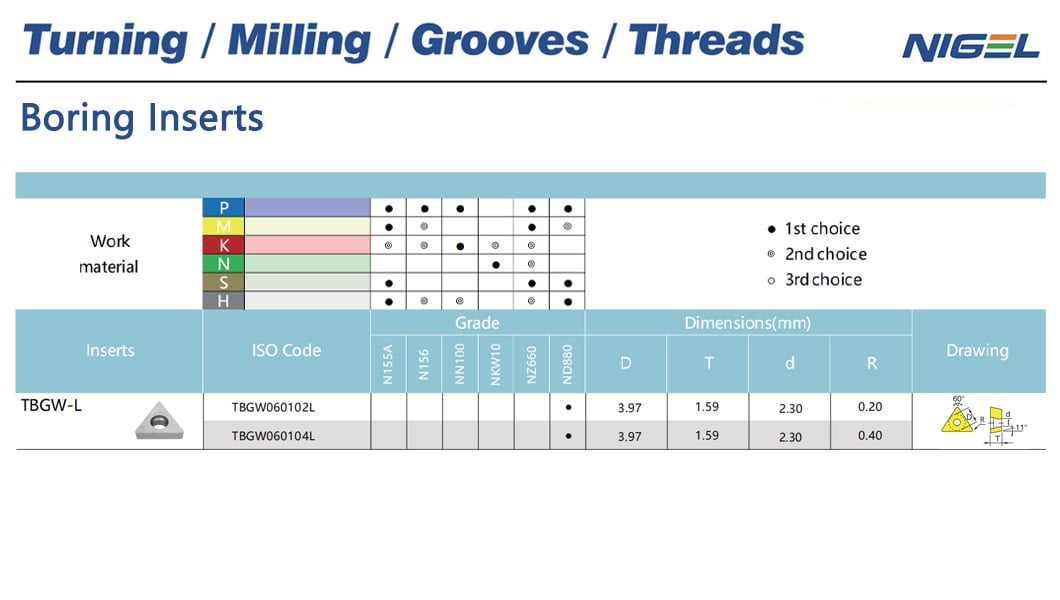
Simple steps that should be taken to prevent this sort of situation. The first: Always use the correct cutting speed and feed rate for the material you’re working on. NIGEL also gives you useful "best for" guides, which helpfully explain the best speed for different types of metal. Second, be sure to use coolant or cutting fluid to keep the tool cool and reduce friction. This is how it makes the TNMG 160408 to last longer and work better. Third, periodically inspect the tool for wear. When noticing that chips or dullness on the insert have become apparent, it is time to replace it. Last but not least, make sure the machine and tool holder are set properly. Free toolholder may result in vibration that destroys the insert. Keeping an eye on the little things can prevent some of the most common problems and help you pull every last bit of performance from your TNMG 160408 inserts.
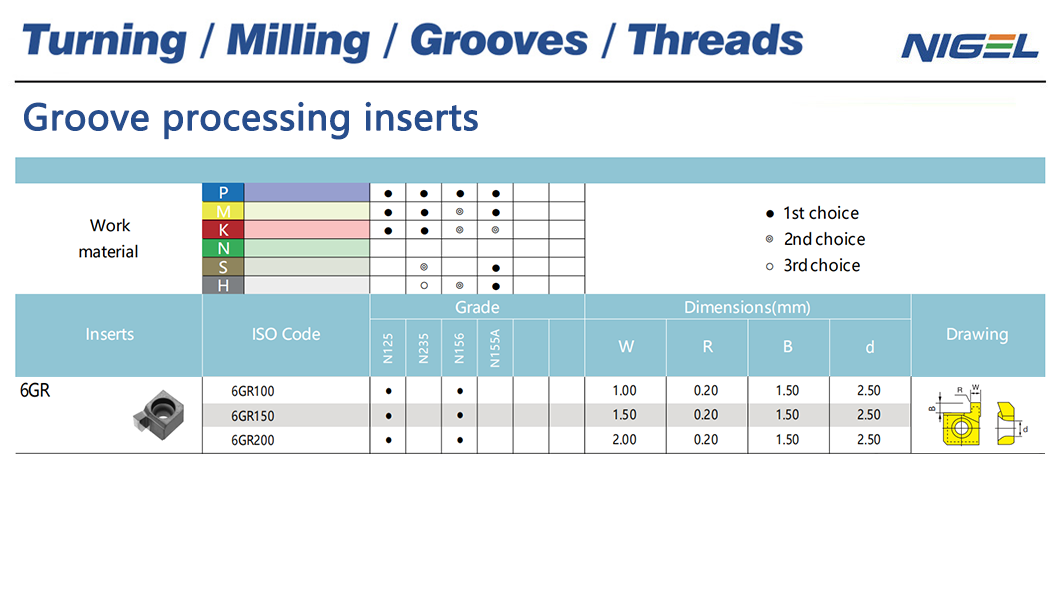
The TNMG 160408 is unique because it can be used for high speed as well as high precision cutting processes. High speed cutting corresponds to work material being removed at a high rate of removal, or in brief, “time saved. High-precision cutting involves not being off by a thousandth of an inch here, but making very accurate and smooth cuts (which is important if you have parts that need to fit together perfectly). That’s where the NIGEL TNMG 160408 comes in handy to perform either type of these tasks well. What enables that, in part, is the tool’s strong and sharp cutting edge. The design of the insert is created to minimize resistance as it cuts; so it’s able to cut through metal without getting too hot. This allows you to run the machine harder without fretting over ruining the tool. The insert material itself is also very hard and capable of resisting relatively high temperatures. This helps it maintain its edge even when you cut at high speeds or put it to work on hard metals. To further enhance the cutting performance, pairing TNMG inserts with the right TNMG-R-FS tools can provide exceptional results in demanding applications.
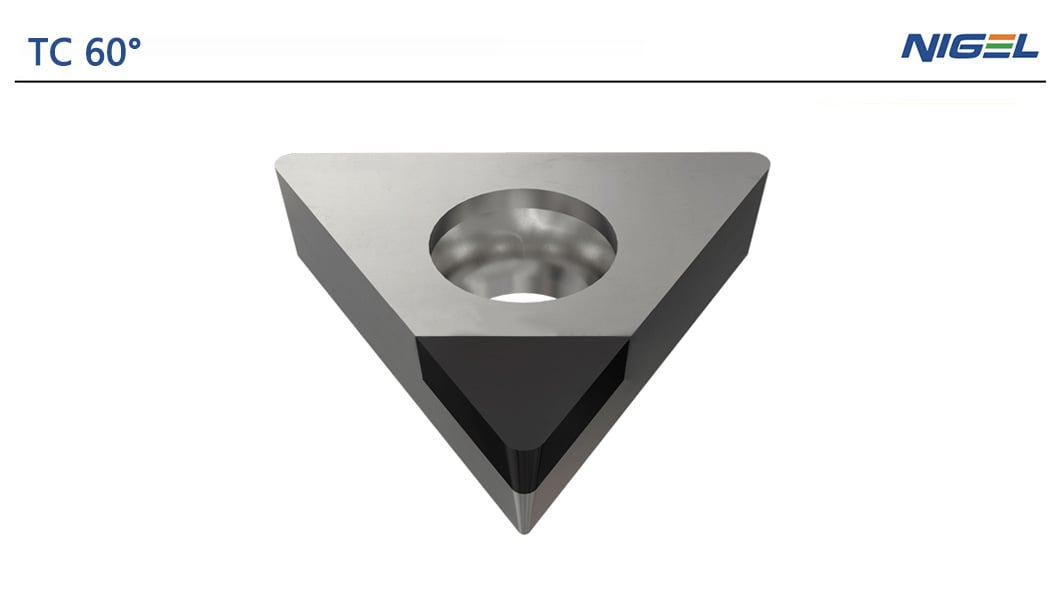
In bustling factories and workshops, money has to be saved and delays have to be avoided which is why tools such as the TNMG 160408 inserts from NIGEL have extendable lifespans. Maximizing tool life is about keeping the insert sharp and strong for as long as possible. There are a few clever ways to do this. First, you should always choose the correct cutting parameters. This involves selecting appropriate speed, feed rate and depth of cut for CNC milling turned parts based on the material as well as the object. When these configurations are too severe, the tool has a short life. NIGEL provides guidance that enables workers to identify optimal settings, which optimize between cutting speed and tool life. It can be a big difference if those in power follow these recommendations. For specific gear cutting tasks, using specialized tools like the Gear Hobs with Exchangeable Carbide Insert can further improve efficiency and precision.

 EN
EN
 AR
AR
 BG
BG
 HR
HR
 CS
CS
 DA
DA
 NL
NL
 FI
FI
 FR
FR
 DE
DE
 EL
EL
 HI
HI
 IT
IT
 JA
JA
 KO
KO
 NO
NO
 PL
PL
 PT
PT
 RO
RO
 RU
RU
 ES
ES
 SV
SV
 TL
TL
 IW
IW
 ID
ID
 LT
LT
 SR
SR
 SK
SK
 UK
UK
 VI
VI
 HU
HU
 TH
TH
 TR
TR
 FA
FA
 MS
MS
 GA
GA
 AZ
AZ
 BN
BN