
 EN
EN
 AR
AR
 BG
BG
 HR
HR
 CS
CS
 DA
DA
 NL
NL
 FI
FI
 FR
FR
 DE
DE
 EL
EL
 HI
HI
 IT
IT
 JA
JA
 KO
KO
 NO
NO
 PL
PL
 PT
PT
 RO
RO
 RU
RU
 ES
ES
 SV
SV
 TL
TL
 IW
IW
 ID
ID
 LT
LT
 SR
SR
 SK
SK
 UK
UK
 VI
VI
 HU
HU
 TH
TH
 TR
TR
 FA
FA
 MS
MS
 GA
GA
 AZ
AZ
 BN
BN
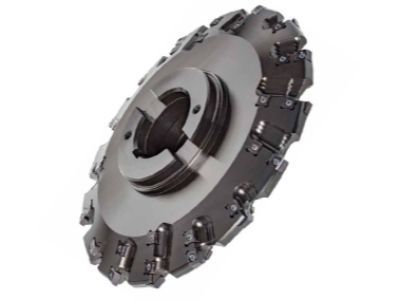
Vibration and chatter may also interfere with the machining when gear milling is carried out with these gear milling cutters. We at NIGEL understand the importance of controlling these issues. Vibration occurs when the cutter vibrates during a cutting operation, and chatter is that dreadful rapid shaking noise you sometimes hear while milling. The solution to these problems is not one neat trick so much as understanding what’s causing them and ways you might be able to tweak your milling setup.
Gear Milling Cutters Vibrate and Chatter
The vibration can come from various points, and knowing them will help you combat it better. These milling inserts the cutter to jitter or bounce on the surface. Picture trying to write on a wobbly table; your lines won’t be straight either. One reason is the natural frequency of the cutter or of the component. If the rate of the cuts equals that frequency, it makes the shaking worse, like well-timed pushes on a swing.
Optimization of Milling Parameters in Gear Cutting for Vibration Reduction
Adjusting the way you run that milling cutter can prevent vibration and chatter from starting. We tell operators in NIGEL not to rotate at a speed that is the same as the machine’s natural frequency. Instead, select a speed slightly faster or slower and the cutter won’t vibrate like a tuning fork. Rate of feed, or how fast the cutter moves through the metal, is also important. If it moves too briskly, you can add jerky forces that shake the cutter, but if it’s also possible to move too slowly and let the cutter rub instead of cut, which also leads to trouble. It’s all about balance.
GEAR DRILLING CUTTERS HOW TO USE WITHOUT CHATTER
Vibration and chatter should be prevented when tungsten carbide inserts since otherwise roughing may occur during cutting and the gears may be damaged. Chatter is a shaking or buzzing motion that occurs between cutter and gear material if they are not in harmony with each other. To prevent this from happening, there are some best practices you should follow so the cutter functions properly and lasts a long time.
Where to Purchase High Quality Gear Milling Cutters
When you need gear milling cutters that will operate with a minimum of vibration and chatter, it’s equally important to only purchase from a supplier whose equipment you can trust. By buying wholesale you are able to purchase large quantities of cutters, so multiple purchases will save you money if need a lot. NIGEL provides the gear milling cutters for mass production which we design to minimize vibration and enhance cutting quality.
How to Diagnose and Correct Vibration Problems in Gear Milling
Vibration or chatter could still occur during gear milling even in cases where best practices are being followed. When this happens it is important to learn how to identify the source and how to solve it in no time. Diagnosing vibration problems involves taking a critical look at all elements of the milling process, starting with the cutter and how it is mounted in the tool holder. First, let’s try and verify the cutter. Make sure the insert end mill causing more friction can lead to that vibration. If the cutter looks worn or damaged install a new one. And also see if the cutter is installed in machine snugly.
The milling machine shall be stable, and all bolts and parts shall not loosing. If the saw is jostled or relocated while a cut is being made it may result in undue vibration. Sometimes, a cleaning and oiling of moving parts can help to minimize chatter. Or at least ensure that the machine is on a solid surface and not something that will move or vibrate easily.


