
 EN
EN
 AR
AR
 BG
BG
 HR
HR
 CS
CS
 DA
DA
 NL
NL
 FI
FI
 FR
FR
 DE
DE
 EL
EL
 HI
HI
 IT
IT
 JA
JA
 KO
KO
 NO
NO
 PL
PL
 PT
PT
 RO
RO
 RU
RU
 ES
ES
 SV
SV
 TL
TL
 IW
IW
 ID
ID
 LT
LT
 SR
SR
 SK
SK
 UK
UK
 VI
VI
 HU
HU
 TH
TH
 TR
TR
 FA
FA
 MS
MS
 GA
GA
 AZ
AZ
 BN
BN
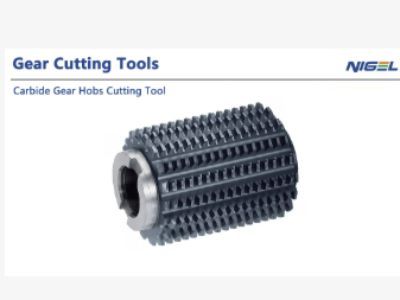
Micro boring is an extremely small cutting process used to bore very small holes in metal or other hard materials. The equipment used to do this job has to be precisely shaped in order for the holes to come out just right.
Micro Boring Accuracy and Efficiency
When a carbide threading inserts has the right angles and curves it cuts more easily and makes holes that are just about the size they should be. For instance the angle of the cutting edge determines whether the tool will dig too much or just enough to properly remove material. If the angle is too high, it won’t push hard enough and could break resulting in holes of incorrect sizes. Heat is the enemy because it destroys tool life. NIGEL pays attention to the right geometry by digging that is depending on workpieces to bored and hole size.
High-Quality Micro Boring Tools with the Perfect Geometry
There are many tools that look the same but do not work in the same way. NIGEL has spent years developing tools with the ideal shapes for various boring requirements. We don’t produce a single type of tool we have carbide insert lathe tools for each tool with different materials and hole sizes. You cannot use a tool that is made to cut a bigger hole on a micro boring job. We take the time to really listen to what our clients need and then we make tools that fit those needs perfectly.
Affect Micro Boring Performance and Solutions
Tool geometry refers to how a tool looks, including its angles, edges and size. Improper geometric shape of the tool can lead to multi-troubles during micro-boring. For instance, if the cutting edge of the tool is razor thin or too blunt it may not make good cuts in the tiny holes. And that in turn can cause rough surfaces inside the hole or even screw up the size of the hole.
These issues slow work and can lead to wasted material
One issue is back clearance angle that is a gap between the cutting edge and the workpiece. If this angle is too slight, the tool rubs along the material rather than cutting it and creates heat and wears down. There may be a risk that the tool will be weak and easy to break. NIGEL's tools are designed with the proper clearance angles so these issues do not exist. Which assists in the smooth flow of the chip is another issue. If the rake angle is not right chips can get jammed and fill the hole, causing boring to stop.
Tool Life and Cost-effectiveness
Tool life is very crucial during micro boring, because the use of a short lived tool does nothing more than waste time and money. The carbide milling inserts has a direct influence on the life of the tool. If the tool is not correctly shaped, it can wear out rapidly or even shatter as it bores.
Achieving Good and Repeatable Micro Boring Results
This is especially critical in micro boring for even slight variations can have a significant impact on the size and quality of the minute holes being drilled. The geometry of the tool is one of the critical concerns toward consistent micro boring results. Its shape will cut the holes just right without mistakes or ragged surfaces.


