
 EN
EN
 AR
AR
 BG
BG
 HR
HR
 CS
CS
 DA
DA
 NL
NL
 FI
FI
 FR
FR
 DE
DE
 EL
EL
 HI
HI
 IT
IT
 JA
JA
 KO
KO
 NO
NO
 PL
PL
 PT
PT
 RO
RO
 RU
RU
 ES
ES
 SV
SV
 TL
TL
 IW
IW
 ID
ID
 LT
LT
 SR
SR
 SK
SK
 UK
UK
 VI
VI
 HU
HU
 TH
TH
 TR
TR
 FA
FA
 MS
MS
 GA
GA
 AZ
AZ
 BN
BN
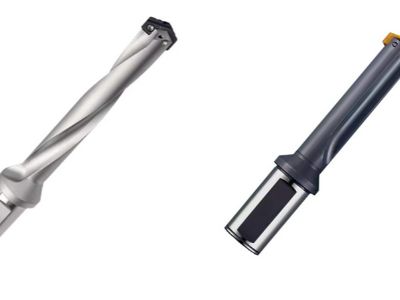
Insert drills are derived tools used in the process of machining where they are used to cut holes into a wide range of materials. These drills contain inserts which assist in removing material effectively. Knowing how insert drill function, the typical problems that can occur, and troubleshooting tips can improve productivity in the shop and optimise results.
What Is An Insert Drill And What Does It Do?
An insert drill, in particular being a cutting tool used to drill holes into workpieces of materials which may be metal, plastics material or wood. It features body with replaceable inserts which perform the cutting. The u drill inserts are formed of hard materials, such as carbide or ceramic, for resistance to high temperatures and pressures during the cutting operation. As the drill turns, the contacts the material, which fills with chips, and this removal process creates a hole. The configuration of the inserts and the drill body are a determining factors in drilling efficiency and accuracy.
Typical insert drill problems and how to prevent them
A typical problem occurring during insert drill application is insufficient chip evacuation which can cause chips to jam and lower tool cutting efficiency. The use of correct cutting conditions i. e. cutting speed, feed rate and coolant flow can prevent this problem. You can also use chip breakers with the inserts or modify your drilling technique to produce short chips. A further problem is that inserts may wear, leading to poor hole quality and increased tool breakage. This can be avoided by keeping insert end mill checked for wear regularly and properly maintaining them i. e., regrinding or replacing worn inserts. Furthermore, choosing the correct insert grade for the material being machined can increase tool life and tool performance. By resolving these typical problems and applying best practices for machining, operations can get better results and be more productive.
The indexable drill is an indispensable tool for high precision drilling, making the operation precise and effective. When you need ultra precision drilling, the right insert drills can make all the difference in the world for your end product. NIGEL has a comprehensive range of insert drills to ensure high productivity and process security.
Maximising productivity with the new inserts drill technology
Thanks to developments in insert drill technology, processes have been shortened and improved. NIGEL's new insert drills offer state-of-art attributes, including advanced coatings and geometries that enhance tool life and performance. These developing technologies no only improve the efficiency of drilling, but also help to achieve finer work-piece roughness and precision size.
Are indexable drills applicable for roughing and finishing process?
Insert drills appropriate for both rough and finish drilling operations as required by the detailed needs of a machining process. During roughing, use high-performance drills that are durable;good material removal performance and flexibility of the workpiece. On the contrary, in finishing processes demands accuracy and surface quality of high grade, insert drills with fine geometry and coating are applied for finish hole of great smooth and accurate.
Drills provide a significant contribution to ultra precision industry through accurate and efficient drilling. For a machinist who selects the right feed and insert drills for their projects, eliminating waste through the use of cutting edge technology is possible. NIGEL’s insert drills deliver superior performance and the highest level of reliability, which are applicable in precision machining.


