
 EN
EN
 AR
AR
 BG
BG
 HR
HR
 CS
CS
 DA
DA
 NL
NL
 FI
FI
 FR
FR
 DE
DE
 EL
EL
 HI
HI
 IT
IT
 JA
JA
 KO
KO
 NO
NO
 PL
PL
 PT
PT
 RO
RO
 RU
RU
 ES
ES
 SV
SV
 TL
TL
 IW
IW
 ID
ID
 LT
LT
 SR
SR
 SK
SK
 UK
UK
 VI
VI
 HU
HU
 TH
TH
 TR
TR
 FA
FA
 MS
MS
 GA
GA
 AZ
AZ
 BN
BN
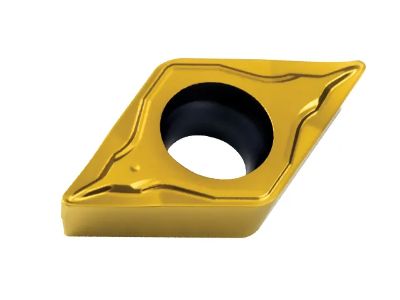
CNC Boring Inserts How to Identify and Solve Vibration Problems
CNC boring inserts are important tools in manufacturing that help shape materials like metal and wood. Sometimes, when these tools are in use, they can start to vibrate. This vibration can cause problems, such as making holes that are not straight or damaging the tool itself. This is not good for the work being done. At NIGEL, we understand how frustrating these issues can be. In this article, we will look at what causes vibration problems and how to identify them. This will help you keep your CNC boring inserts working well. Carbide Inserts
What Causes Vibration Problems in CNC Boring Inserts?
Vibration in CNC boring inserts can come from different sources. One common cause is the setup of the machine. If the machine is not stable or level, it can lead to vibration. Imagine trying to balance a tall tower of blocks. If the base is not steady, the tower may wobble and fall. The same thing happens with boring machines.
Another reason is the cutting speed. If the speed is too fast, it can create more force and cause vibrations. Think about riding a bike too fast over a bumpy road you feel the shaking. The tool's design can also lead to vibrations. Some inserts may not be made for heavy work, and using them on tough materials can cause problems. Drill Inserts
Also, the workpiece itself might not be held tightly enough. If it moves while the tool is cutting, it can create vibrations, like when you try to cut a piece of fruit that keeps rolling away. Lastly, tool wear plays a big role. If the insert is dull or damaged, it does not cut smoothly. This rough cutting can cause shaking. At NIGEL, we recommend regularly checking your tools and machine setups to reduce these issues.
How to Identify Vibration Issues with CNC Boring Inserts
Finding vibration problems with CNC boring inserts can be tricky, but there are signs to look for. First, listen carefully while the machine is running. If you hear a loud noise or a humming sound, that could mean something is wrong. It is like hearing a strange sound from your car it is a sign to check it out. BTA Drills
Another way to check for vibration is by looking at the finish of the material being cut. If the surface looks rough or there are lines that should not be there, it may be due to vibrations. It is like trying to draw a straight line but ending up with a squiggly one because your hand shook.
You can also use a dial indicator to measure any movement. If the measurements are off, it is a clear sign of vibration. Watching for tool wear is important too. If you notice that the insert is wearing down faster than usual, it could be because of vibrations.
Lastly, observe the cutting performance. If the tool seems to struggle while cutting through the material or if the machine stops suddenly, it might be time to check for vibrations. At NIGEL, we suggest keeping an eye on all these factors. Regular maintenance and inspections can help keep your CNC boring inserts working smoothly and efficiently.
What Are the Best Practices to Reduce Vibration in CNC Boring Inserts?
When using CNC boring inserts, vibrations can cause problems. These vibrations can harm your workpieces and make the tools wear out faster. To reduce vibrations, it is essential to follow some best practices.
First, always make sure that your machine is set up correctly. This means checking that everything is tight and in place. If there are loose parts, they can shake and cause vibrations. Also, keep the workpiece secure. Use clamps or fixtures to hold the material firmly in place. If the workpiece moves, it can lead to vibrations and a poor surface finish.
Another important practice is to adjust the cutting speed and feed rate. If the speed is too high or the feed rate is too fast, it can create more vibrations. Take the time to find the right balance. Start with lower speeds and feed rates, then slowly increase them until you find what works best.
Additionally, consider the type of tool you are using. NIGEL boring inserts are designed to reduce vibrations. Make sure you are using the right insert for the job. Some inserts are better suited for certain materials or types of cuts.
Finally, check the tool geometry. The shape and angle of the insert can affect how it cuts and how much vibration it creates. A well-shaped insert will cut more smoothly and help reduce vibrations. Regularly inspect your tools for wear and tear. Worn tools can cause more vibrations, so it is important to replace them when needed.
By following these best practices, you can help minimize vibrations and improve the quality of your work.
How to Choose the Right CNC Boring Inserts to Minimize Vibration
Choosing the right CNC boring inserts is crucial for reducing vibrations. NIGEL offers a variety of inserts that can help you achieve better results.
First, consider the material you are working with. Different materials require different types of inserts. For example, harder materials may require inserts made from tougher materials to withstand the stress. Look for inserts that are specifically designed for the type of material you are using.
Next, pay attention to the insert's design. Some inserts have special shapes or coatings that can help reduce vibrations. For example, inserts with a positive rake angle can cut more smoothly, which helps minimize vibrations. Additionally, look for inserts with a larger cutting edge. A larger edge can distribute cutting forces more evenly, reducing the chance of vibration.
Another factor to consider is the insert's size. Make sure to choose an insert that fits well with your machine. If the insert is too small or too large, it can create issues. It is also important to ensure that the insert is compatible with your boring tool holder. A proper fit will help keep everything stable and reduce vibrations.
Finally, do not forget to check the insert's grade. Different grades have different hardness levels and wear resistance. A harder grade may be better for tough materials, while a softer grade may work well for softer materials. By choosing the right CNC boring inserts, you can significantly reduce vibrations and improve the overall performance of your machining process.
How to Optimize CNC Boring Inserts for Improved Performance and Less Vibration
To get the best performance from your CNC boring inserts, optimization is key. NIGEL provides tools and tips to help you make the most of your inserts.
First, start by setting the right cutting parameters. This includes the cutting speed, feed rate, and depth of cut. Adjusting these settings can greatly impact how the insert performs. Begin with lower settings and gradually increase them while monitoring for vibrations. Finding the ideal balance, where you achieve smooth cuts without excessive vibrations, is important.
Another way to optimize your inserts is by maintaining them properly. Regular cleaning and inspection can help keep your inserts in good condition. If you notice any wear or damage, replace the inserts before they begin causing vibrations. Keeping the cutting edges sharp is crucial for reducing friction and vibration during cutting. A sharp insert will cut more efficiently, leading to less vibration.
Also, consider using coolant or lubrication. The right coolant can help reduce heat and friction, both of which can contribute to vibrations. It keeps the insert cool and extends its service life. Make sure to choose a coolant that is suitable for both the material you are machining and the type of insert you are using.
Lastly, experiment with different machine setups. Sometimes, changing the tool holder or adjusting the way the workpiece is secured can help reduce vibrations. Test different configurations to find what works best for your specific project.
By optimizing your CNC boring inserts through careful adjustments and regular maintenance, you can achieve better performance and significantly reduce vibrations, resulting in higher-quality work and longer tool life.
Table of Contents
- What Causes Vibration Problems in CNC Boring Inserts?
- How to Identify Vibration Issues with CNC Boring Inserts
- What Are the Best Practices to Reduce Vibration in CNC Boring Inserts?
- How to Choose the Right CNC Boring Inserts to Minimize Vibration
- How to Optimize CNC Boring Inserts for Improved Performance and Less Vibration


